
Language: English
Publication Year: 2017
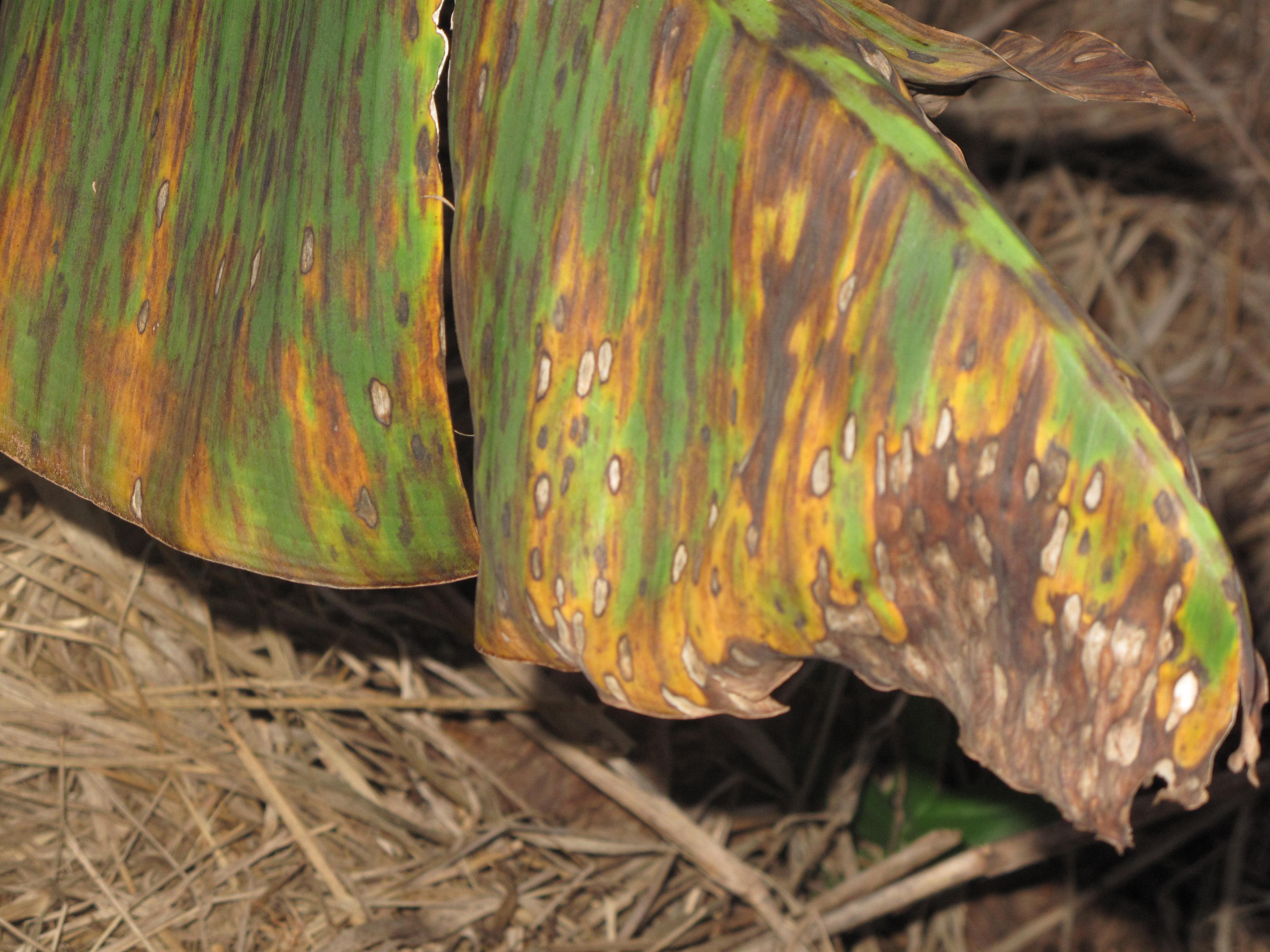
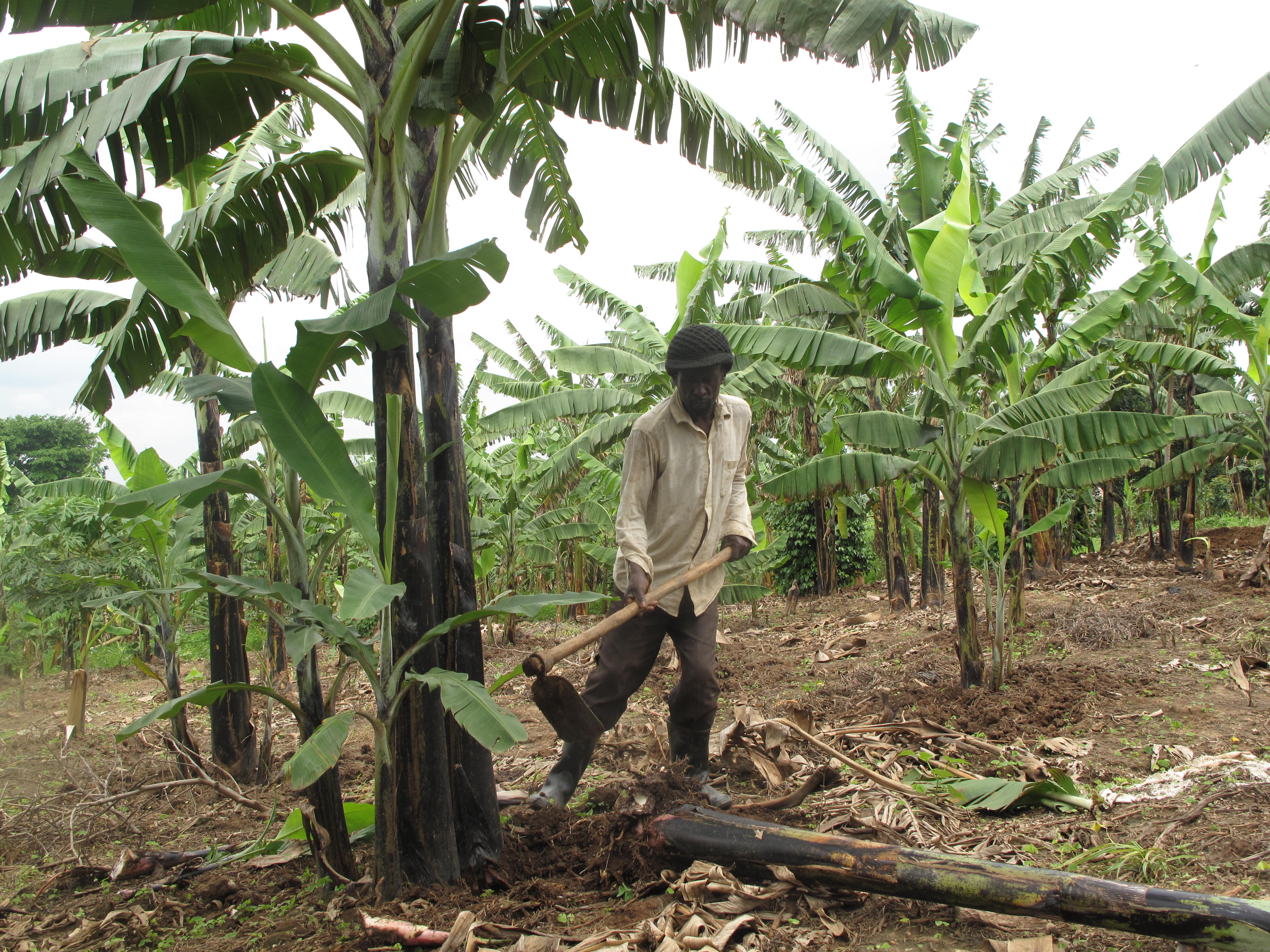
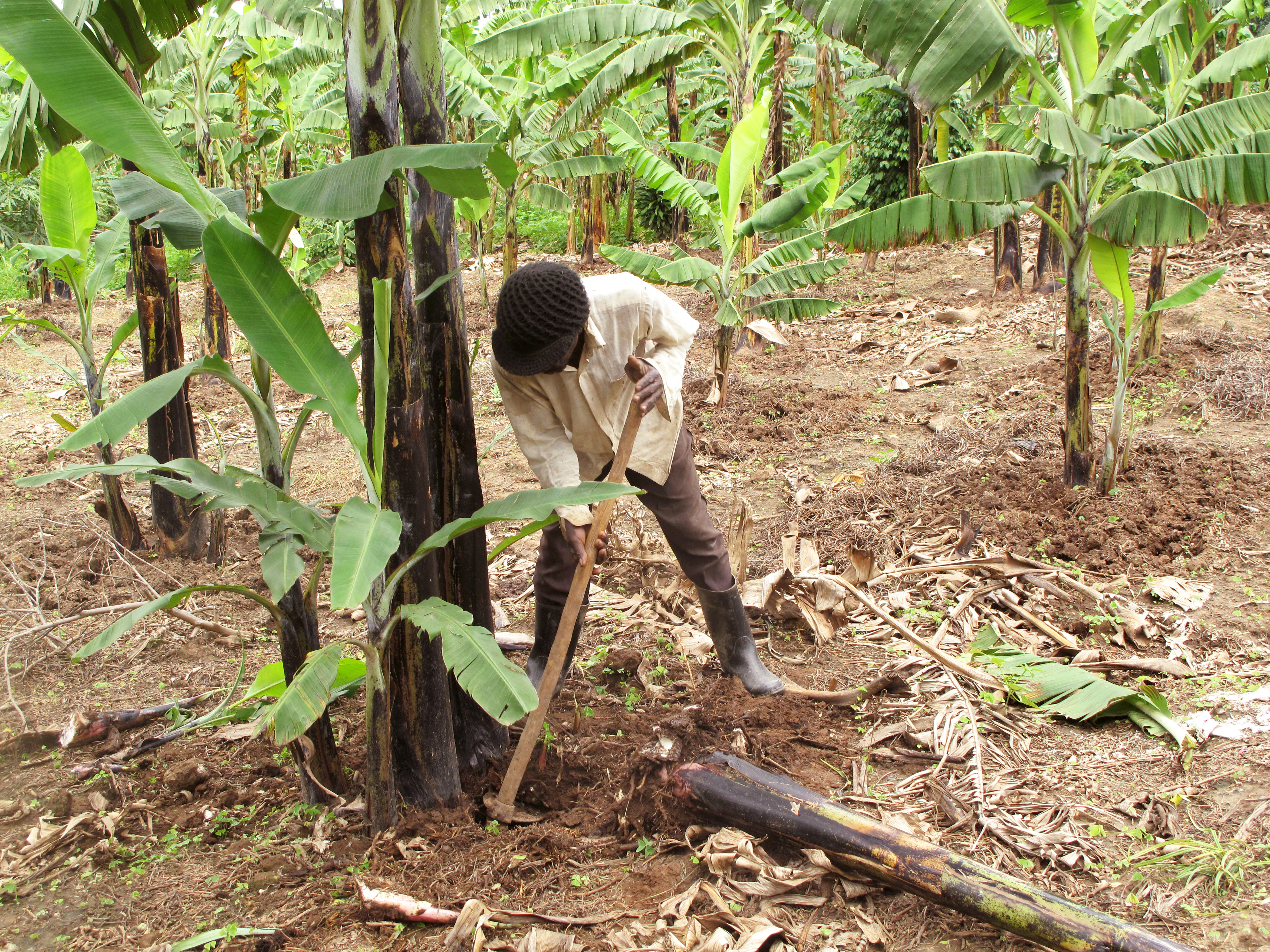
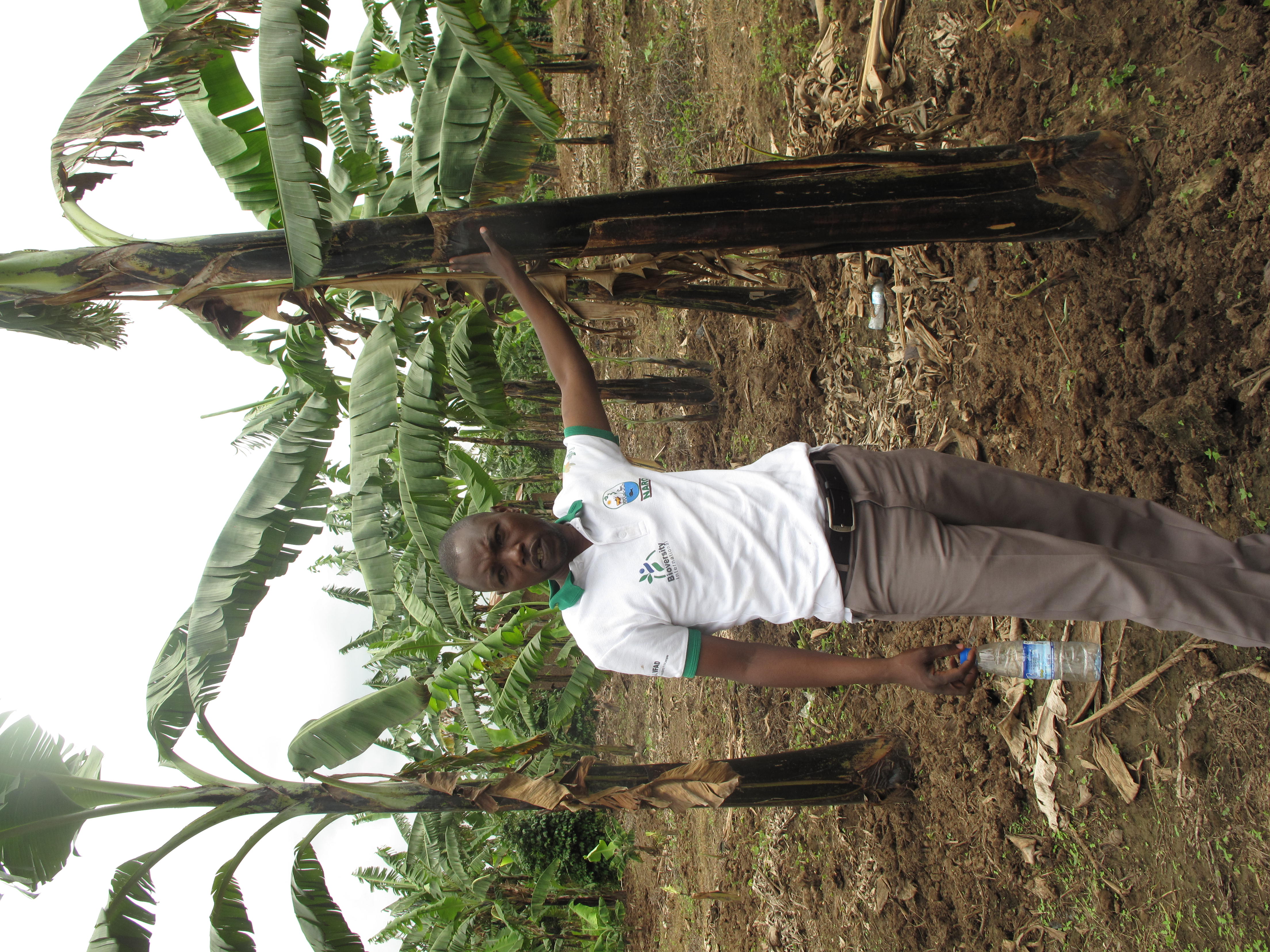
Banana bacterial wilt (BBW), caused by Xanthomonas vasicola pv. musacearum (Xvm), remains one of the most destructive diseases affecting banana production in Uganda. First identified in Ethiopia and confirmed in Uganda in 2001, the disease rapidly spread across major banana-growing regions, severely reducing yields of both cooking bananas (matooke) and beer bananas. BBW infection leads to premature ripening, wilting, and eventual plant death, resulting in substantial economic losses and threatening food security for millions who rely on bananas as a staple crop. Management efforts in Uganda have focused on community-based surveillance, removal of infected plants (roguing), tool sterilization, and use of clean planting materials. Although these measures have reduced disease incidence in some regions, persistent reinfection, limited adoption of best practices, and the absence of resistant banana varieties continue to hinder long-term control. Recent advances in breeding—especially transgenic and gene-editing approaches targeting Xvm resistance—offer promising future solutions, but widespread deployment remains constrained by regulatory and adoption barriers. BBW therefore continues to pose a significant challenge to banana production and rural livelihoods in Uganda.
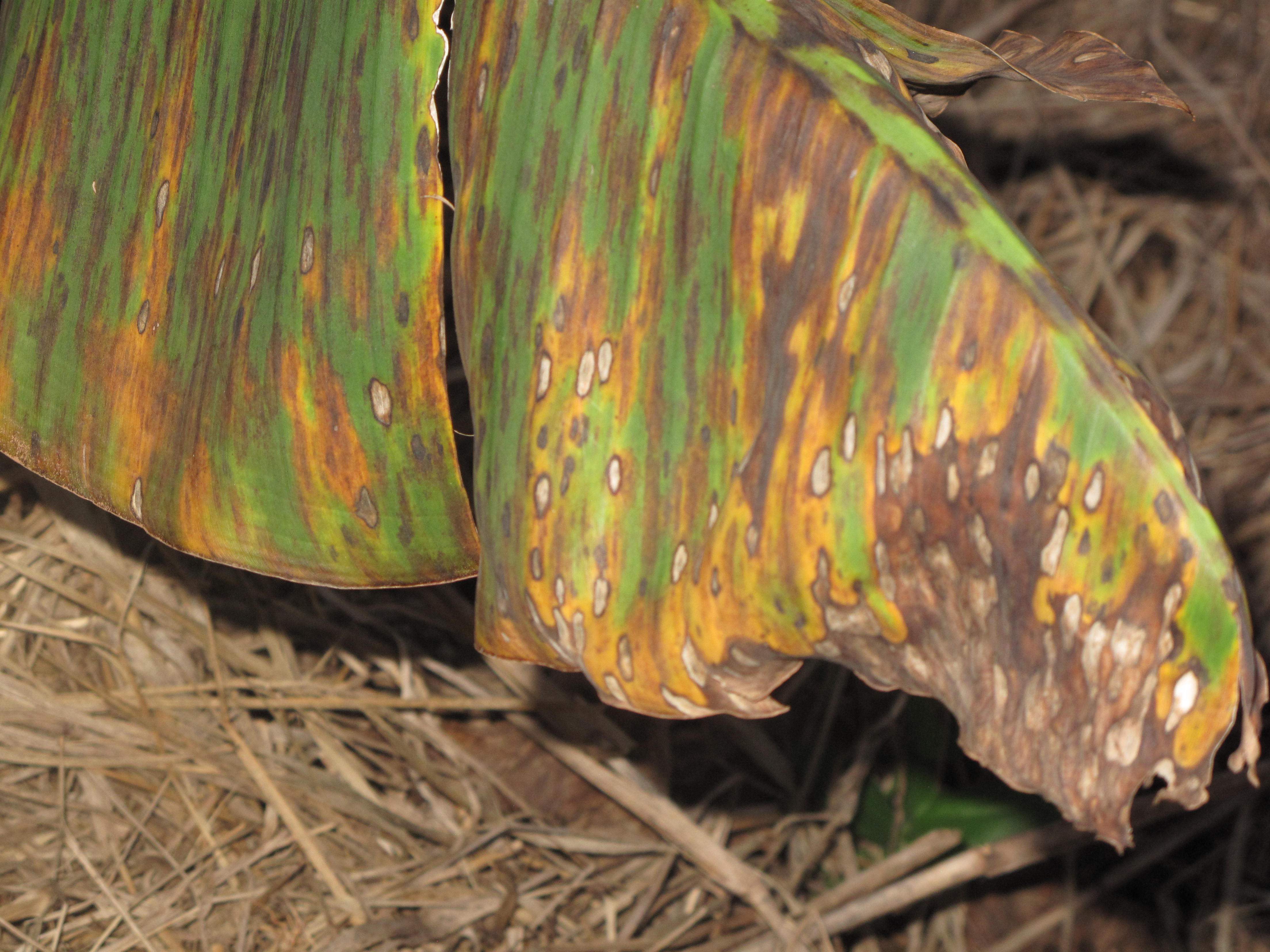
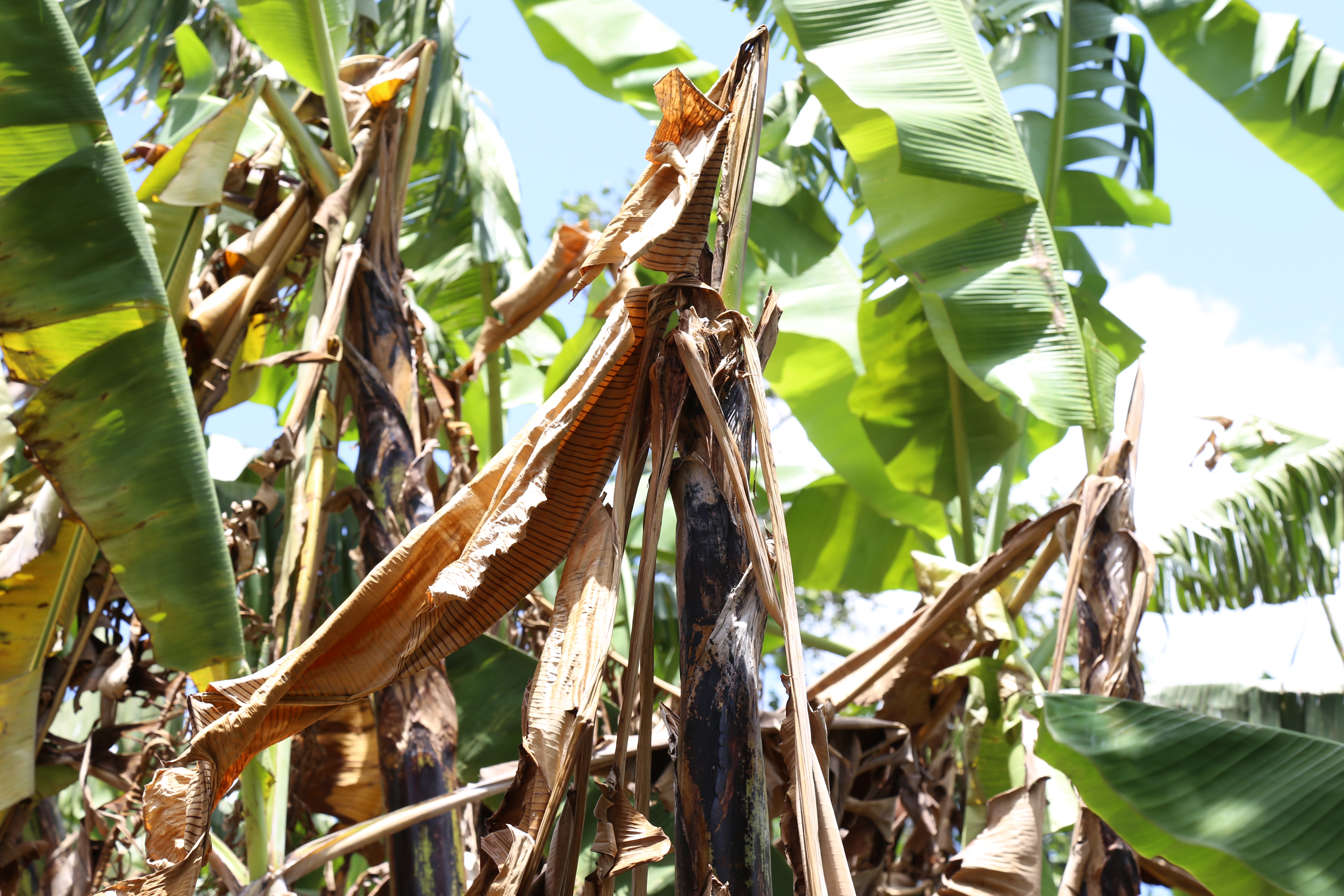
_1767082525.JPG "Banana Bacterial Wilt in Uganda")
Bt
Food Security
Agricultural Biotechnology
Banana, Wilt, Bacterial, Uganda
Uganda
10 Apr 2017
243 Views
0 Downloads
0 Rating by People
No comment yet.